
patterned solar glass
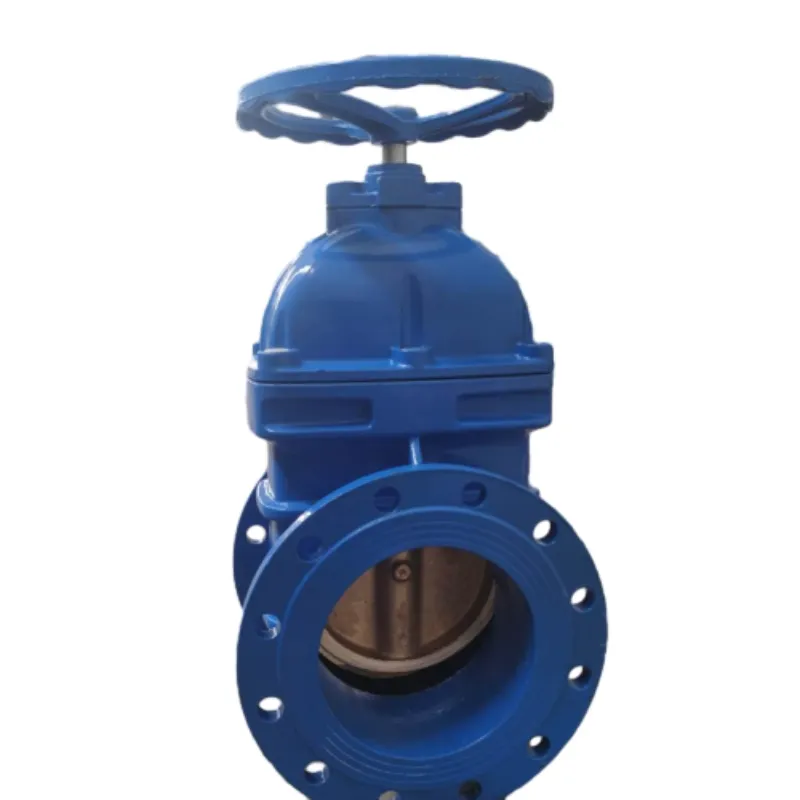
Understanding Gate Valves A Focus on Gate Valve 16 Gate valves are crucial components in various industrial applications, serving as a mechanism to start or stop the flow of fluids through a pipe. Among the numerous types of gate valves available, Gate Valve 16 has gained attention for its reliability and efficiency. This article explores the characteristics, applications, advantages, and maintenance of Gate Valve 16, offering insights into why it is favored in many scenarios. What is a Gate Valve? A gate valve is a linear valve that opens by lifting a barrier (the gate) out of the path of the fluid. The main function of a gate valve is to provide a straight-line flow of fluid with minimum restriction. Compared to other types of valves, such as ball valves or globe valves, gate valves are more suited for use in applications where the flow needs to be either completely on or completely off. Features of Gate Valve 16 Gate Valve 16 stands out due to several key features that enhance its performance - Design and Construction Typically made from durable materials like stainless steel, cast iron, or bronze, Gate Valve 16 is designed to withstand high pressures and temperatures. Its robust construction ensures longevity and reliability in demanding environments. - Size and Configuration Gate Valve 16 comes in various sizes, making it versatile for different applications. Whether it’s a small residential plumbing system or a large-scale industrial pipeline, there’s a suitable Gate Valve 16 configuration. - Sealing Mechanism The sealing mechanism of Gate Valve 16 is engineered to provide a tight seal when the valve is closed. This feature prevents leakage, which is crucial for maintaining the integrity of fluid systems. Applications of Gate Valve 16 Gate Valve 16 is utilized in diverse fields, including - Oil and Gas Industry In oil and gas pipelines, Gate Valve 16 is employed to control the flow of crude oil and natural gas, where it is pivotal in managing flow rates and pressures during processing and transportation. gate valve 16 - Water Supply Systems Municipal water supply systems rely on Gate Valve 16 to regulate the flow of water through pipelines, ensuring the system operates efficiently and safely. - Chemical Processing The chemical industry uses Gate Valve 16 for controlling the flow of corrosive and hazardous fluids, benefitting from its ability to maintain pressure and prevent leaks. - Power Generation In power plants, Gate Valve 16 is integral to steam and water systems. It helps in providing efficient flow control to ensure optimal operation of turbines and boilers. Advantages of Gate Valve 16 The popularity of Gate Valve 16 is attributable to several advantages - Minimal Pressure Drop One of the most significant benefits of Gate Valve 16 is its ability to offer low pressure drop across the valve when fully open. This characteristic is essential for systems requiring high flow rates. - Straight-Through Flow Gate valves provide a straight path for fluid, minimizing turbulence and making them suitable for applications where a smooth flow is needed. - Durability With proper maintenance, Gate Valve 16 can have a long service life, which reduces the need for frequent replacements and lowers long-term operational costs. Maintenance of Gate Valve 16 Proper maintenance is critical to ensure the effective functioning of Gate Valve 16. Regular inspections for signs of wear, corrosion, or leakage are advisable. The valve should be operated periodically to ensure that the gate does not seize in the closed position. Lubrication of moving parts and checking for any buildup of debris can also prolong the valve’s life. Conclusion In summary, Gate Valve 16 plays a significant role in a variety of industries by offering efficient flow control, durability, and minimal pressure loss. Its design and functionality make it an essential component of fluid systems, whether for managing water supply, oil and gas transport, or chemical processing. Understanding its features, applications, and maintenance needs can assist engineers and technicians in selecting the right valve for their systems and ensuring that they operate efficiently and reliably over time. As technology advances, Gate Valve 16 will continue to be a relevant choice in the ever-evolving landscape of industrial fluid management.
about
patterned solar glass
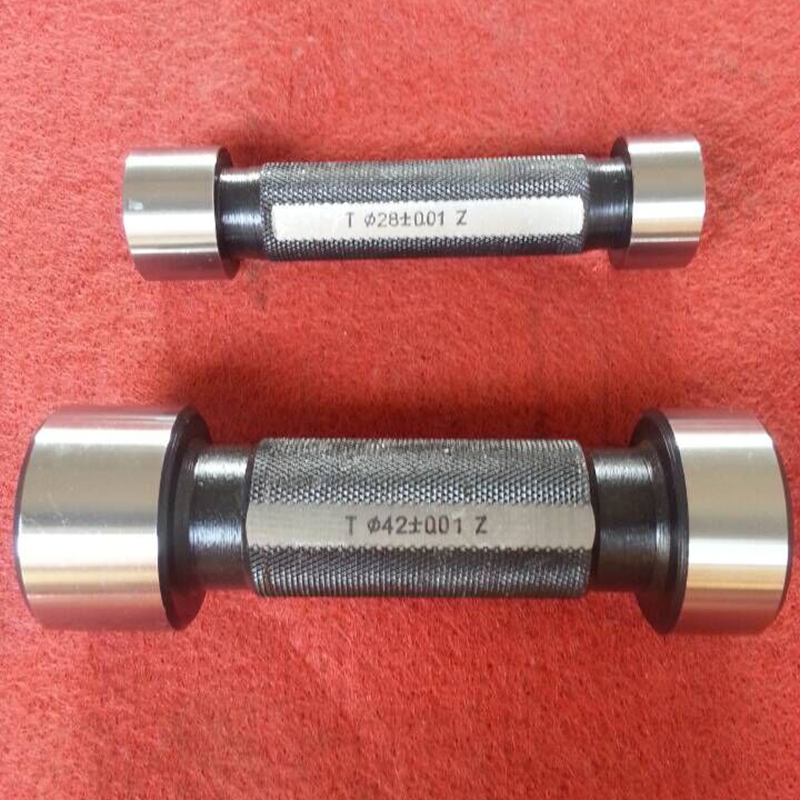
Understanding the Thread Measuring Gauge A Key Tool in Precision Engineering In the world of precision engineering, the importance of accurate measurements cannot be overstated. Among the various tools that facilitate precision, the thread measuring gauge stands out as a vital instrument, particularly in industries that rely on threaded components. This article delves into the significance, types, and applications of the thread measuring gauge, illustrating its essential role in maintaining quality and accuracy in engineering tasks. What is a Thread Measuring Gauge? A thread measuring gauge is an instrument used to measure the pitch, diameter, and depth of threads on various fasteners such as screws, bolts, and nuts. These gauges are designed to enable engineers, machinists, and quality control professionals to ensure that threaded components meet specific standards and tolerances. Accurate measurements are crucial in assuring the proper fit and functionality of assembled parts, thereby preventing mechanical failures or safety hazards. Types of Thread Measuring Gauges Thread measuring gauges come in various forms, each designed to cater to specific measurement needs. The most common types include 1. Pitch Gauges These gauges help measure the pitch of the thread, which is the distance between two adjacent threads. Pitch gauges typically feature multiple blades, each corresponding to different pitch sizes, allowing users to find the correct pitch quickly. 2. Thread Calipers Similar to standard calipers, thread calipers are specially designed to measure the outer diameter of a threaded component. They are equipped with jaws that can closely fit the contours of the threads, providing precise measurements. 3. Go/No-Go Gauges These gauges are used to determine whether a thread fits within specified tolerances. A Go gauge indicates that the thread is acceptable, while a No-Go gauge signifies that it is out of tolerance. This binary method of measurement is essential in quality control processes. thread measuring gauge 4. Thread Micrometers For high-precision applications, thread micrometers can be used . These tools measure the thickness of the threads and can provide highly accurate readings necessary for stringent requirements. Applications of Thread Measuring Gauges Thread measuring gauges find applications in several sectors, including automotive, aerospace, manufacturing, and construction. In the automotive industry, for instance, ensuring that all bolts, screws, and nuts meet specifications is critical for vehicle safety and performance. Similarly, in the aerospace sector, where precision is paramount, thread measuring gauges are employed to ensure that engine mountings and other critical components adhere to strict safety regulations. Moreover, these gauges are indispensable in manufacturing environments where threaded parts are produced in high volumes. Quality control inspectors use thread measuring gauges regularly to verify that produced parts meet industry standards, such as those set by the International Organization for Standardization (ISO) or Society of Automotive Engineers (SAE). Importance of Accuracy and Calibration Maintaining accuracy with thread measuring gauges is crucial, as any deviation can lead to significant issues during assembly or operation. Regular calibration of measuring instruments is necessary to ensure reliability and accuracy. This involves comparing the gauge measurements against known standards and adjusting as necessary to guarantee precise readings. Furthermore, users must be trained in the correct usage of these gauges. Improper handling or measurement techniques can lead to errors, resulting in faulty assemblies or the rejection of acceptable components. Conclusion In conclusion, the thread measuring gauge is an essential tool in the field of precision engineering, promoting accuracy and quality control in threaded components. With various types designed for specific measurement needs, thread gauges uphold the safety and functionality of mechanical systems across multiple industries. As technology advances, the integration of digital measuring tools may further enhance the capabilities of thread measuring gauges, making them even more critical for the future of precision engineering. In a world where the smallest detail can have significant consequences, the thread measuring gauge remains a vital asset to engineers and manufacturers alike.
-

High quality industrial productsagement

High quality industrial products
View Details -

Meet the diverse needs of customers

Meet the diverse needs of customers
View Details -

Strict quality control

Strict quality control
View Details -

Top raw materials

Top raw materials
View Details -

Trusted supplier

Trusted supplier
View Details
Our application


news and information
Wholesale Options for High-Quality Butterfly Valves in Various Sizes
The Importance of Butterfly Valve Wholesale in Industrial Applications Butterfly valves are essentia

vee blocks for sale
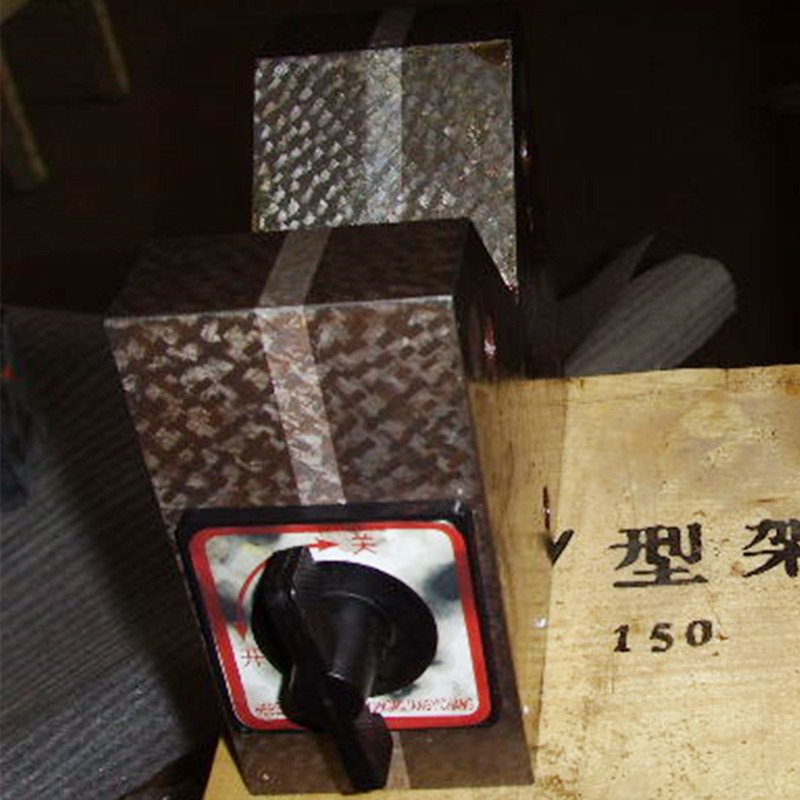
VEE Blocks for Sale The Future of Sustainable Building Solutions In the contemporary era of construc
Why the Right Angle Ruler Reigns in Metalworking
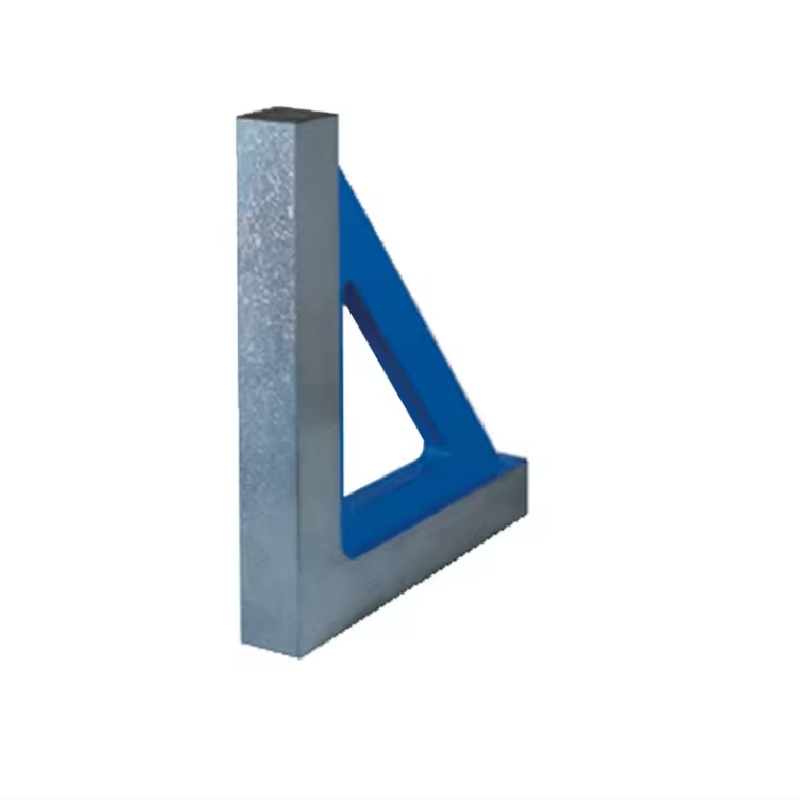
In the high-stakes world of metal fabrication, machining, and welding, precision isn't just desirabl
 English